
Wonder Herb – ‘AMLA’ or Indian Gooseberry
It is believed that what gold is to the minerals, Amla aka Indian Gooseberry is to the herbs. Called Amalaki, Dhatriphala and Vayastha in Sanskrit and Emblica officinalis scientifically, it is the most widely used herb in the Ayurvedic system of medicine and is considered to be the elixir of good health.

About This Recipe
Participating for the first time in Kalyn’s weekend herb blogging #9, hosted by Kalyn’s Kitchen. Its a great idea that it is helping us learn so much about herbs all over the world. Thank you Kalyn, for giving this wonderful opportunity to present one of the most potent herbs in the world today ‘amla’.
The English name of ‘amla’ "” Indian gooseberry "” denotes that it is indigenous to India. Its a light green fruit and grows on a small tree which is found in wet forests of hill areas throughout the Indian subcontinent. Though all parts of the tree have medicinal value, it is the fruit which is highly potent.

It is believed that what gold is to the minerals, amla is to the herbs. Called amalaki, dhatriphala and vayastha in Sanskrit and Emblica officinalis scientifically, it is the most widely used herb in the Ayurvedic system of medicine. This tangy fruit is considered to be the elixir of good health. The story goes that several 1000 years ago when the Indian Herbal System of Medicine Ayurveda was already developed, sages or rishis would go deep into the forests looking for newer and more effective remedies for ailments. One such sage Chyavan blended together certain energizing herbs, fruits and spices based on a secret recipe. The principle fruit used in his mixture Chyavanprash was ‘amla’ to which are attributed near magical powers. This dark brown tonic is till today sold and consumed in India and is believed to increase mental and physical well-being.
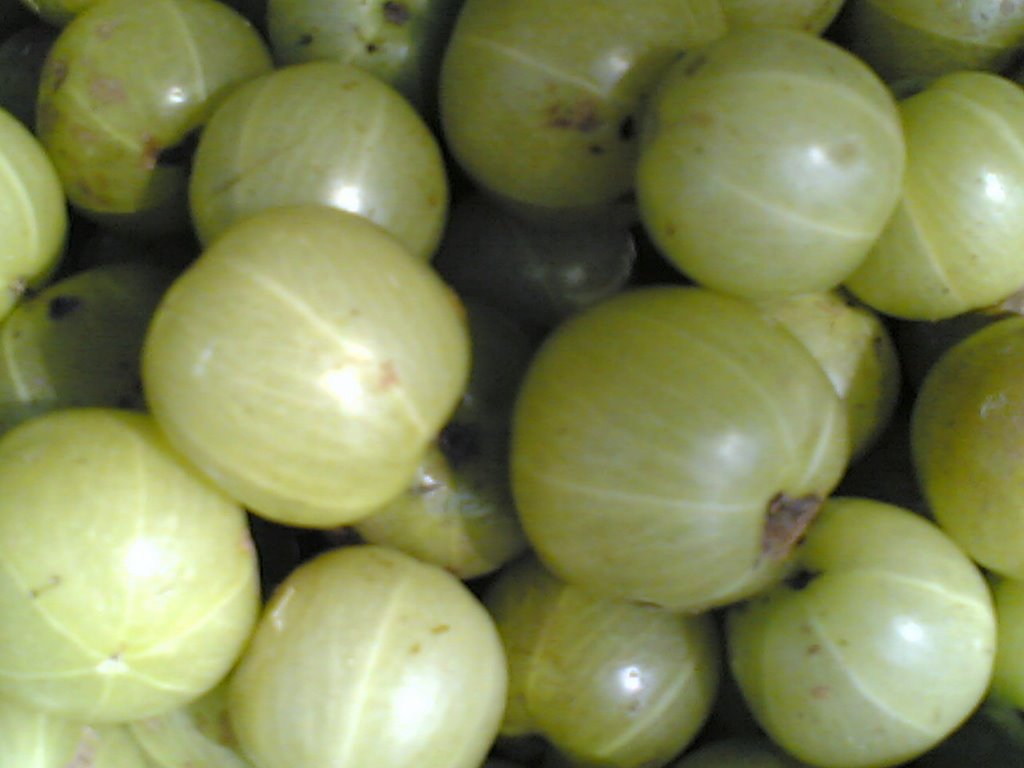
Amla is a rare fruit which contains all tastes except saltyflavor . With sourness as the foremost taste, it is at the same time sweet, astringent, bitter and pungent. It is light, dry and cold in effect and the most concentrated form of Vitamin C in the entire plant kingdom and is approximately 20 times the vitamin C content of an orange. Yes, sounds amazing, isnt it? Its true. It is a very potent form of Vitamin C and yet is easily assimilated by the human body. The Vitamin C in Amla fruit is bonded with tannins that protect it from being destroyed by heat or light. Amla enhances the absorption of food, by strengthening digestion. It does this by increasing the fire (known as “Agni” in Ayurveda) in the stomach, without creating any excess stomach acids. The rich source of Vitamin C from the fruit acts as a great detoxifying agent for a sluggish liver, and helps to make the skin clear and radiant.
It also promotes healthier hair, and boosts the absorption of calcium, thus creating healthier bones, teeth, nails and hair. Helps to maintain youthful hair color and retards premature greying. In India, you find many use amla powder to wash their hair than chemical based shampoos. This is the traditional form of washing one’s hair with dry amla pwd and one cannot find a better natural shampoo than amla. In fact even the water in which dried amla has been boiled makes a good finishing rinse and adds gloss and bounce to hair…:)
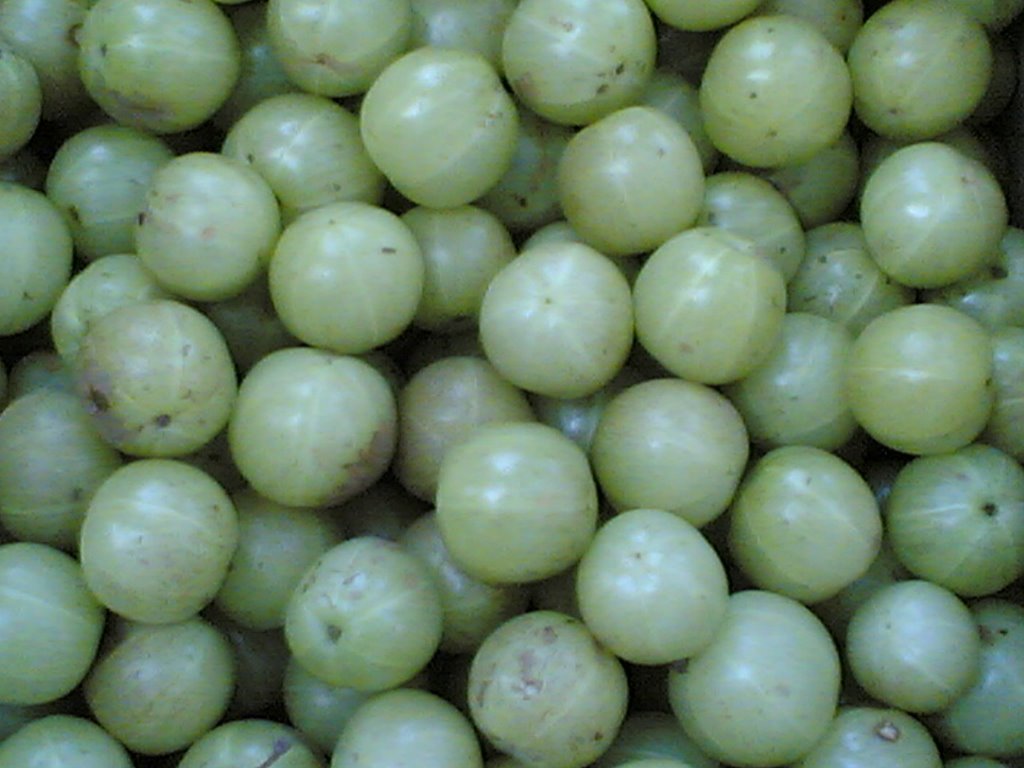
This wonder herb ‘Indian Gooseberry’ is cooling, diuretic, and a laxative. It has antibacterial, cardio-tonic, antiviral, and has resistance building properties. It’s antibacterial and astringent properties, help to prevent infection and helps in the healing of ulcers, and hyper acidity. It is antispasmodic, and has a mild stimulant action on the heart and helps in lowering cholestrol.
The medicinal value of this fruit is endless…
Coming to the culinary uses of amla, rural folk in India eat this highly acid, fresh, raw fruit, followed by water, producing a sweet and refreshing aftertaste. It is a common practice in Indian homes to cook the fruits whole with sugar and saffron and give one or two to their child every morning. During my childhood ,I remember mom pricking the gooseberries with a fork and soak them in salted turmeric water for 2 to 3 days. Loved eating these tangy berries soaked in turmeric water during summers.
In preserving it whole, the fruit is first brined, washed and pricked, blanched in an alum solution, layered with sugar until a syrup is formed, and then boiled. It is then packed in cans or crystallized as a confection. In India, a sauce is made from the dried, chipped flesh. In its preparation, the chips are cooked in water, mashed in a mortar with caraway seeds, and further seasoned with salt and yogurt. This is commonly eaten after fasting.
The fruits can be used fresh or dried. Dried amlas are sometimes ground into a powder and are also available stoned and chopped so they are easy to reconstitute. Store the dried pieces or powder in an airtight container for up to a year. If buying fresh, look for fruits that are green and have a tight smooth skin. The fresh fruits need to be stored in the refrigerator and will keep upto 2 weeks.
Generally amla is used in pickles, preserves and jams. I will share with you a very tasty and healthy recipe made from amla called ‘amla murabba’.
Amla Murabba Recipe
Ingredients:
1 cup of grated Amla (gooseberries)
2 tbsps water
1 1/4 cups sugar
1 tsp cardamom seeds (crushed)
2-inch piece of cinnamon stick
Preparation:
Wash and grate the amla.
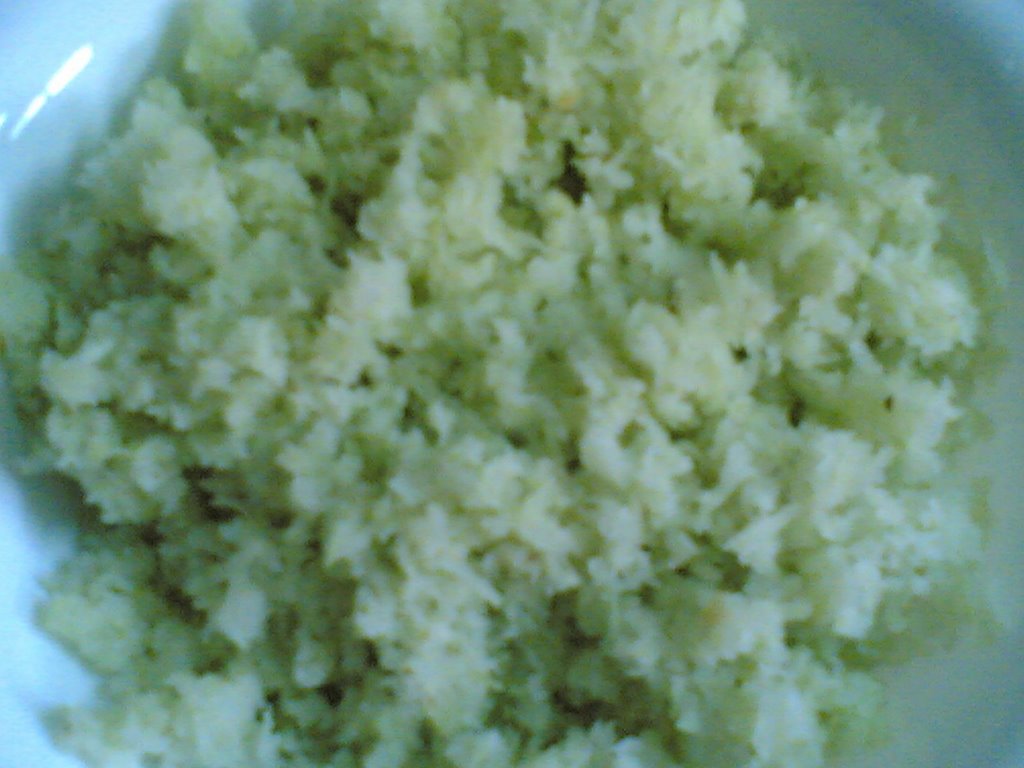
Combine with sugar and water in a heavy saucepan and place over medium heat.
Stir constantly till sugar melts.
Reduce the heat to low and add remaining ingredients and simmer until the amla is clear and the juice gets thick, about 15 minutes and you get a semi thick consistency. It should appear like a a spread.

Remove the cinnamon stick from the murabba and cool.
Transfer it to a glass jar.
Store, refrigerated, for up to a month.
Use as a spread like a jam or have a tsp of murabba every day as amla is called sarvadosha hara – remover of all diseases.